

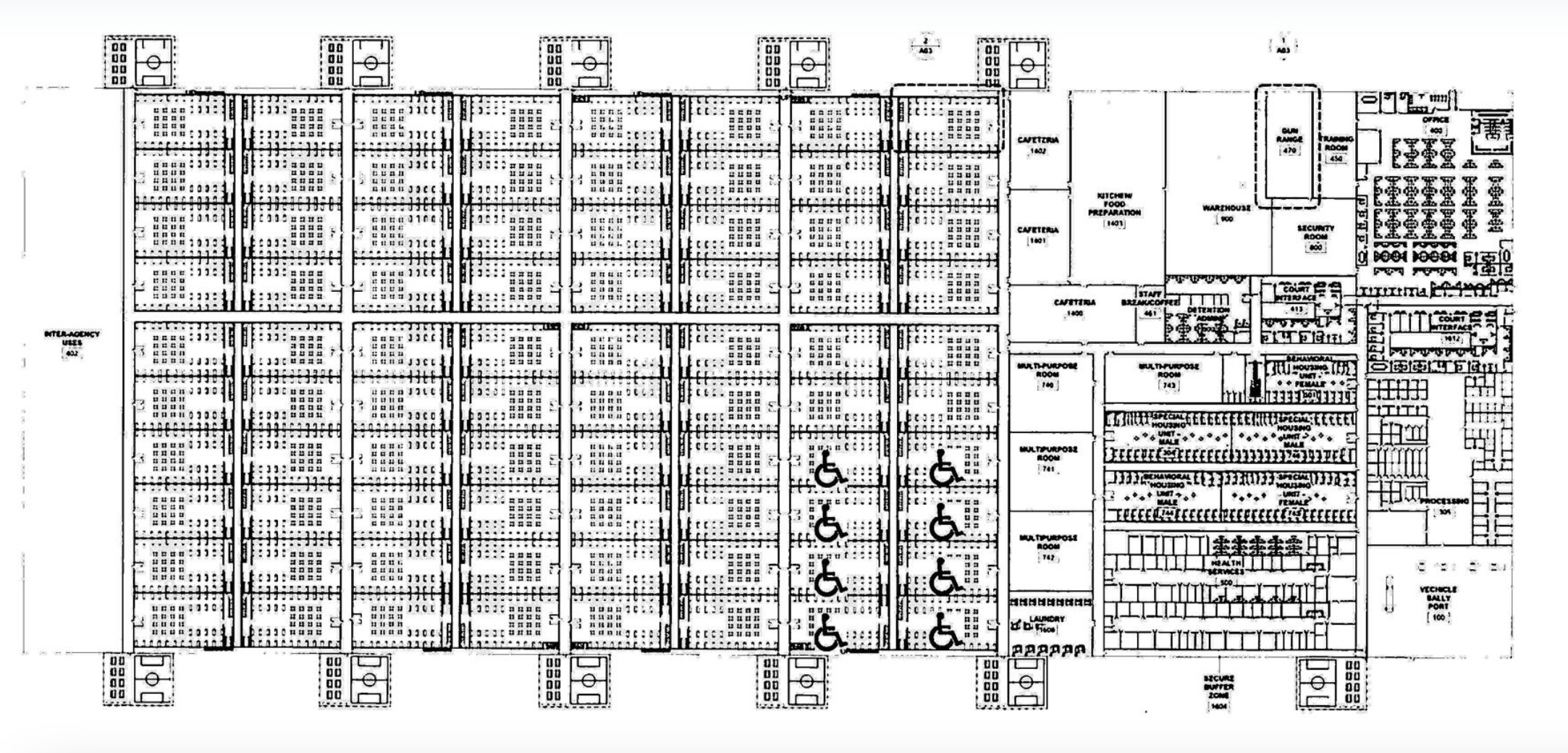
The Department of Homeland Security has begun identifying several of the eleven warehouses it bought this year to detain immigrants for possible sale, NBC News reported Friday, and is weighing the same for the deportation planes it acquired over the period, among them a Boeing 737 Max 8. No final decisions have been made.
The buildings were purchased under former Secretary Kristi Noem as part of a plan to detain as many as 100,000 immigrants at one time, a push backed by a $45 billion congressional appropriation in 2025. Department officials now say they no longer need that capacity, according to NBC.
That position is in stark contrast with statements from elsewhere in the administration’s immigration apparatus. Earlier this year, the border czar, Tom Homan, said mass deportations were still coming. “You haven't seen shit yet,” he said.
DHS paid just over $1 billion for the eleven properties. A review of state tax and land records and commercial sales data shows the government paid above the most recent valuation at every one of the sites and above recent market comparables at most of them.
In Socorro, Texas, ICE paid $123 million for a property last valued at about $11 million. In Flowery Branch, Ga., it paid $68 million for a site previously valued at $400,000. The city of Social Circle, Ga., has sued, alleging the agency paid more than five times the property's assessed value. The last warehouse ICE bought before then-Secretary Noem’s firing was in Salt Lake City, Utah, which was purchased for $145.4 million — a markup of 49 percent above its last appraised value, according to tax assessor records.

Many of the buildings had sat empty for years before the government bought them. In Williamsport, Md., the agency awarded a $113 million retrofit contract within weeks of the January purchase, and in Surprise, Ariz., it committed more than $300 million to the same work. A DHS memo set a deadline of November 30, 2026, to open the new facilities nationwide.
The road to offloading any one of these facilities might not be an easy one.
The first obstacle to a potential sale lies in court. Local and state governments in five states have sued to block the conversions, arguing that the buildings are industrial shells unfit to hold people and that DHS bought them without the environmental review federal law requires. Until those cases are resolved — or the parties settle — some of the sites cannot change hands
The litigation has already produced one concrete result. In April, a federal judge in Maryland froze work on the 825,000-square-foot warehouse near Williamsport, finding that DHS had not taken the “hard look” at environmental consequences that the National Environmental Policy Act requires. New Jersey’s complaint over a building bought for about $129 million, roughly twice its assessed value, called it “a logistics center fit for Amazon Prime packages, not people,” with four toilets for a planned 1,500 detainees.
Even cleared for sale, the buildings are unlikely to recover what they cost. The markups that the government paid in rushing to buy the warehouses set the floor for any loss, and a private buyer has little reason to pay what the government did for warehouses that had sat empty for years before ICE acquired them. The DHS inspector general is already auditing whether the purchases met the need for detention space cost-effectively.
The agency that would handle a sale is short-staffed for it. The General Services Administration’s Public Buildings Service lost about a third of its staff over the past year, and the private brokers it hired to speed disposals had not closed a single sale as of this spring, the Government Accountability Office found.
A sale also has to clear a prior claim to the buildings themselves. Under Title V of the McKinney-Vento Homeless Assistance Act, once federal property is declared surplus, organizations that serve homeless people can acquire it at no cost before it can be sold. The GSA’s accelerated-disposal program acknowledges that those screenings come first.
Whether that claim applies would depend on a finding by the Department of Housing and Urban Development that a property is suitable for housing people. That is unlikely to apply to the warehouses.
The same features the states are litigating, among them the lack of plumbing for large numbers of occupants, are the features that would weigh against such a finding. A building found unsuitable for the homeless moves toward sale rather than transfer.
The change in plans followed a change in leadership. The purchases were made under Noem, and the review of whether to reverse them began after Markwayne Mullin took over the department in March. Trump had said he wanted a “softer touch” on enforcement after the fatal shootings of two U.S. citizens during operations in Minneapolis in January.
Asked about the possible sales, a DHS spokesperson told NBC that the department is “assessing all our resources, including aircraft, to maximize efficiency” and described Mullin as focused on “being the best possible steward of taxpayer dollars.” The spokesperson said the secretary wanted to work with the communities that had opposed the facilities. DHS did not respond to Project Salt Box’s emailed request for comment in time for publication
Eric Taylor, the Social Circle city manager, told NBC he was glad to hear the agency might drop the warehouse his town had sued to stop, but wanted the change from DHS in writing. “I’ll believe it when I see it,” he said.
The problem is that, apparently, DHS and Treasury paid two or three times value when they bought them (with our tax dollars) and now will sell them for huge losses. Welcome to Trump's and Bessent's and DHS's incompetence -I can hear them now "Screw it -just unload it - it ain't our money ". And we wonder why Trump bankrupted all his businesses. He's bankrupting America as we speak.
Follow the money. Who sold to the govt? Who approved the sale? Who got the rehab contracts? Who approved those contacts? Who wins from these new sales? Who are the agents, lawyers and others central to the $? Who will win from the next round of sales? Circular funding with skim or buckets of profit (maybe even fraudulent profit) at each step. Don't you smell the stench?